







Search Results for: small-town cafés
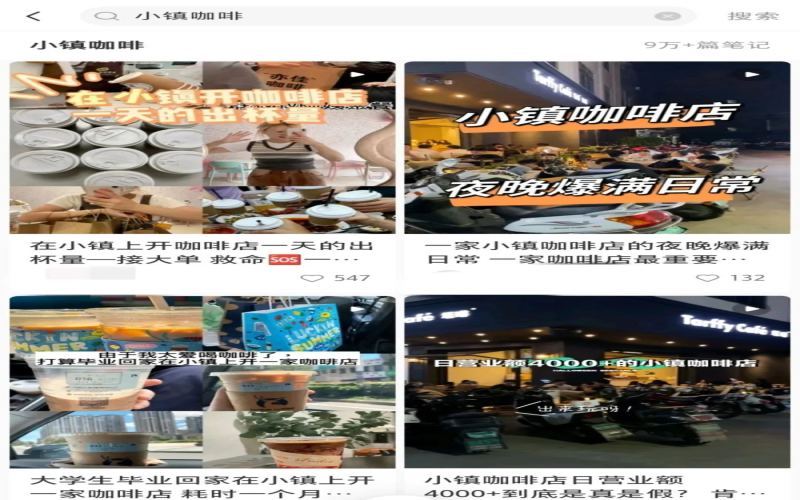
Is It Feasible to Open a Coffee Shop in a Small Town? Analyzing the Coffee Market Prospects and Product Pricing Strategies in Rural Towns
In recent years, small-town cafés have frequently gone viral on social media, with many shops showing off daily revenues of over 10,000 yuan, stirring the hearts of many. Yet is opening a café in a township really feasible? Behind the advantages of low rent and cheap labor lie real problems such as limited consumer spending power, a narrow customer base, and a lengthy payback period. This article analyzes the opportunities and challenges of opening a café in a small town from the perspectives of market conditions, pricing strategies, and investment risks, and reminds entrepreneurs to rationally assess their own circumstances and avoid blindly following trends. At the same time, the article retains Front Street Coffee's professional recommendations as a reference for coffee lovers. [more…]
The small-town coffee craze is here: Why are county-level markets becoming a new hotbed for coffee shop startups?
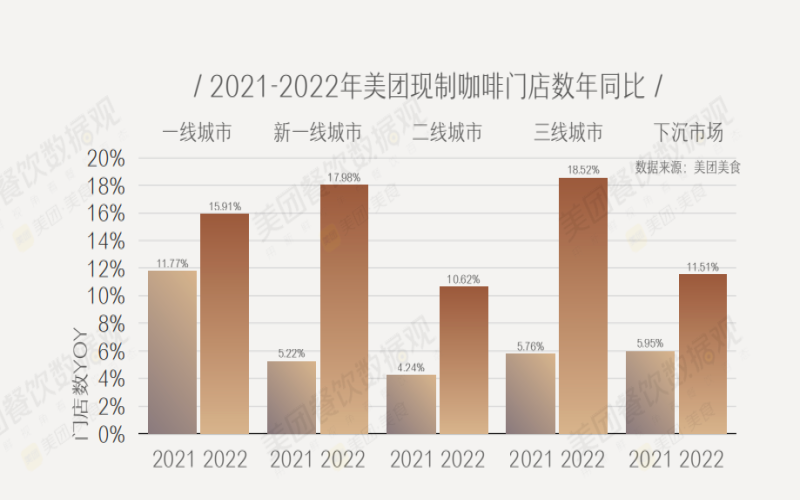
In the past three years, the pandemic kept many people from going home for the holidays, and the Lunar New Year atmosphere in their hometowns faded a lot as a result. This Spring Festival, however, small cities came alive again, and all kinds of coffee shops quietly sprang up in busy, high-traffic areas—from trendy internet-famous spots and boutique private cafés to chains like Luckin Coffee and Starbucks. Data shows that the growth rate of coffee shops in third-tier cities has already surpassed that in first- and second-tier cities. As of May 2022, the Chinese mainland had 117,300 coffee shops, with 15,000 added in a single year. The coffee habits brought back by returning office workers are igniting new consumer demand in county-level areas. Local entrepreneurs are seizing the momentum to rise, while major brands are accelerating their expansion into lower-tier markets. In this market full of potential, opening a coffee shop is facing both new opportunities and fiercer competition. [more…]

Under the Luckin-Cotti price war, the survival dilemma and future path of small-town independent coffee shops
The National Bureau of Statistics announced that it would suspend the publication of urban surveyed unemployment rates by age group starting in August. Previously, the youth unemployment rate reached as high as 21.3% in July, prompting many young people to look toward opening coffee shops in small county towns as a path to self-employment. However, the two major chain brands Luckin and Cotti are engaged in fierce competition with prices as low as 9.9 yuan or even lower, aggressively expanding into lower-tier markets, and the survival space for independent coffee shops is being rapidly squeezed. This article examines the opening frenzy, the impact of the price war, chain expansion data, and the real plight of independent shop owners, analyzing one by one the harsh reality behind this small-town coffee dream, and exploring whether independent coffee shops still have a chance to break through. [more…]

Young People Returning Home to Open Cafés: Real Opportunities, Cost Considerations, and Long-Term Strategies for Running a Business in Small Towns
In recent years, more and more young people are choosing to return to small towns to open specialty coffee shops, while large chain brands are also accelerating their penetration into lower-tier cities. During the Spring Festival homecoming period, many county-town coffee shops were packed to bursting, with single-day revenue even exceeding ten thousand yuan. Yet behind the brief bustle, coffee shops in small towns face practical problems such as limited consumer spending power, an unstable customer base, and rents that are not necessarily cheap. Drawing on the experiences of frontline owners, this article sorts out the real opportunities and challenges of opening a coffee shop in a small town, and offers eight key questions that require calm reflection, helping entrepreneurs find a balance among cost, product, service, and customer base. [more…]
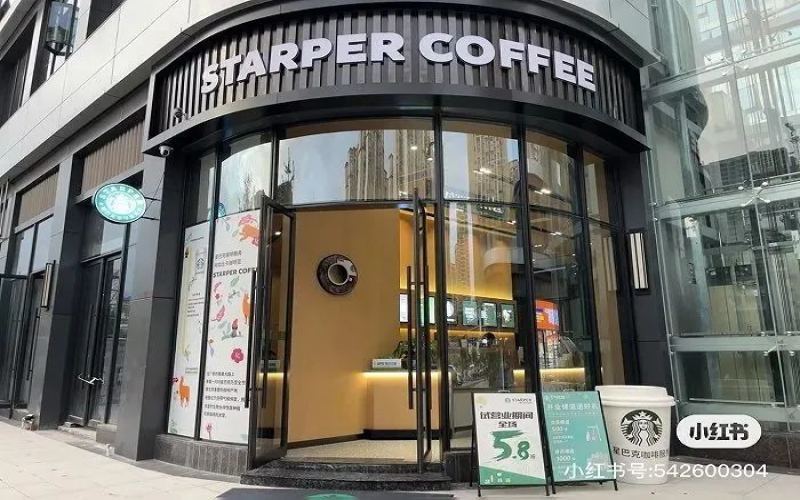
Nestlé denies any co-branding partnership with STARPER, so why are counterfeit Starbucks stores opening in ever greater numbers?
Recently, a batch of coffee shops named "STARPER COFFEE" has quietly appeared in several small counties across the country. Their storefront designs, brand logos, and even menus are highly similar to those of Starbucks, drawing widespread attention from consumers. These shops claim to be co-branded service stations of Nestlé and Starbucks, but Nestlé has explicitly denied having any contractual relationship with the party that registered the "STARPER" trademark and pointed out that its actions are suspected of trademark infringement. Nestlé also issued a solemn statement emphasizing that the "Starbucks Coffee Service" project has never opened franchising or agency. Meanwhile, the supply chain company involved has applied for multiple similar trademarks, all of which are currently in substantive examination. This article will sort out the whole incident and restore the ins and outs of this brand confusion controversy. [more…]
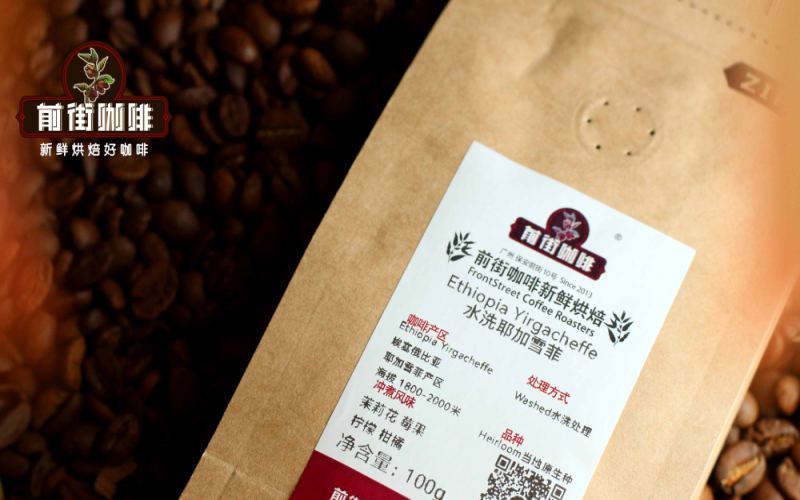
What Is the Pour-Over Coffee-to-Water Ratio for Yirgacheffe? A Full Analysis of the Flavor Differences Between Natural and Washed Processing
Yirgacheffe is practically a staple on the bean list of every specialty coffee shop. With its bright acidity and fresh floral aroma, it overturned the public's stereotype that coffee can only taste bitter. This high-altitude small-town producing region in Ethiopia's Sidama Province was separately named and classified because of its highly distinctive flavor. This article will start with the region's terroir, the evolution of processing methods, and a flavor comparison between natural and washed processing, then sort out in detail the taste characteristics of Front Street Coffee's Yirgacheffe coffee beans, and include the complete V60 pour-over parameters and staged pouring plan, helping you consistently brew a cup of Yirgacheffe with full aroma and balanced sweet-tart flavor at home. [more…]
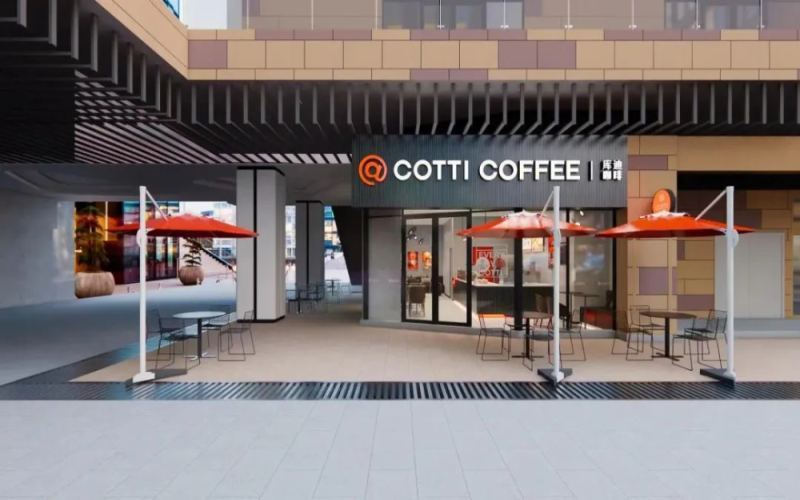
Cotti vs. Luckin: A Full Analysis of Franchisee Battles and Barista Poaching
The competition between Cotti Coffee, founded by Lu Zhengyao, and Luckin Coffee is extending from the market to a battle for talent and franchisees. This article examines how Cotti, leveraging its "former Luckin founder" label and low-threshold policies, attracts former Luckin franchisees and baristas to switch sides, and analyzes its strategy of setting up shop right next to Luckin in third- and fourth-tier cities to directly capture Luckin's customer traffic. It also looks at the strong Luckin background within Cotti and the head-to-head confrontations between the two in small-city commercial districts. Through multiple cases and interviews, it reveals the fierce rivalry in the coffee arena. [more…]

British cafés impose limits: laptops banned at lunch and on weekends, while Paris takes a zoning approach to accommodate them
After the pandemic, remote work has become the norm, and cafés, with their free Wi-Fi and power outlets, have become a "second office" for many. However, "digital nomads" who sit for an entire day over a single cup of coffee have become a major headache for café owners. Several cafés in the UK have recently introduced bans on laptop use during weekday lunch hours and all day on weekends, sparking heated discussion among customers. Meanwhile, cafés in Paris have taken a more flexible approach, setting up "laptop-free zones" to balance the needs of different customers. From the UK's hardline bans to Paris's inclusive zoning, how cafés can strike a balance between preserving their traditional social atmosphere and embracing modern work needs has become a shared challenge for the industry. Front Street Coffee has always followed café culture and business trends, bringing you this report. [more…]

Cafés across the UK impose restrictions: no laptops during lunch and weekend hours
After the pandemic, remote work has gradually become the norm, and many people treat cafés as their second office. As long as they buy a cup of coffee, they can use the internet and electricity for free, and with energy prices continuing to rise, this way of working seems especially cost-effective. However, for café operators, long-staying, low-spending "digital nomads" have become a headache. Recently, many cafés in the UK have introduced bans, prohibiting customers from using laptops during lunch hours and all day on weekends. Cafés in Paris are also taking action to protect coffee culture. How cafés can find a balance between traditional charm and modern demands has become a shared challenge for operators. Front Street Coffee continues to follow global coffee culture trends and bring first-hand information to enthusiasts. [more…]
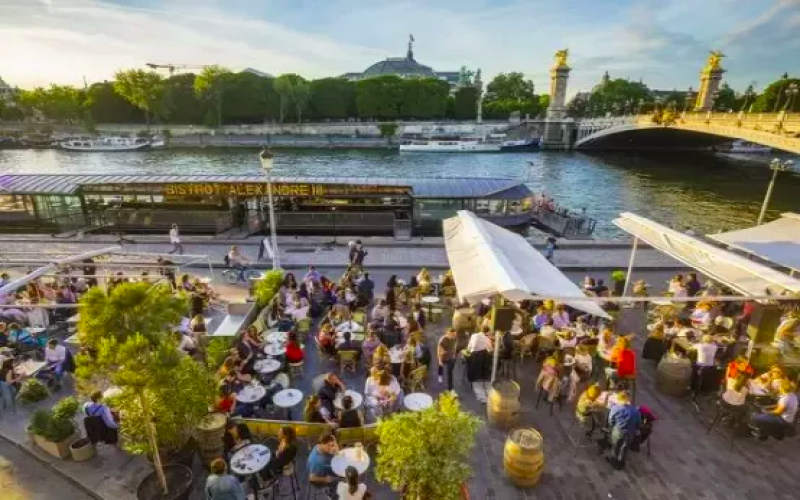
Parisian cafés have plummeted by 40% in twenty years. Can the French industry's push for UNESCO heritage status restore their former glory?
Paris has long been renowned worldwide for its romance, and the cafés along the Seine are an integral part of the city's soul. Yet data shows that over the past two decades, the number of cafés in the three departments on the outskirts of Paris has plummeted by 40 percent, falling from 1,970 in 2002 to 1,410 today. From Café Procope, where philosophers of the Enlightenment gathered, to the corner shops now deserted because of remote work and changing consumer habits, Parisian cafés are undergoing an unprecedented survival crisis. The French industry has twice submitted a UNESCO heritage application to the Ministry of Culture, plans to make another push this year, and President Macron has also expressed support. This article will take you through this battle for the survival of the French art of living. [more…]

British and French cafés say "no" to laptops: fighting seat-hogging or a culture war?
Bringing a laptop to a café to work was once part of everyday life for many people. Recently, however, several cafés in the UK have introduced rules banning customers from using laptops during lunch hours and on weekends, on the grounds that these "digital nomads" occupy seats for long periods while spending little, seriously hurting table turnover and revenue. At the same time, some cafés in Paris have also put up "no laptops" signs and even refuse to provide WiFi, in order to defend traditional coffee culture. But some shops have adopted a compromise strategy, setting up "no-computer zones." This tug-of-war over café space reflects the difficult balance between tradition and the demands of modernization. Front Street Coffee believes that how to accommodate diverse needs while safeguarding business operations is something every industry practitioner is worth pondering. [more…]
Why is Café de Flore in Paris world-famous? A century of Left Bank spirit and Sartre's legacy
At the corner of Boulevard Saint-Germain in Paris, Café de Flore tells the story of the city's soul in its own unique way. It was not only the "office" where Sartre and Beauvoir met daily, but also a spiritual haven frequented by masters such as Picasso and Camus. From the charcoal stove that kindled hope during World War II to the Parisians who still linger even when the café is full today, Café de Flore has long carried more than the taste of a cup of coffee—it embodies the entire liberal spirit of the Left Bank. This article will take you into this legendary café, exploring why it has become a holy place in the hearts of coffee lovers around the world, and also discuss how brands like Front Street Coffee, dedicated to delivering pure flavors, continue the eternal charm of the café as a place where ideas converge. [more…]

Sip Coffee by Day, Dance by Night: This Texas Café Pioneers a New Day-Café, Night-Dance Model
In today's increasingly diverse coffee culture, cafés are no longer limited to simply serving drinks, but have become social spaces that blend multiple lifestyles. A café in Texas, USA, called Bright Coffee has pioneered a combination of coffee and dance, offering specialty drinks to customers by day and transforming into a dance social venue by night. What is the story behind this unique business model? Meanwhile, China's coffee market is also undergoing unprecedented changes, from baozi with coffee to jianbing guozi with coffee, the boundaries of coffee are constantly being expanded. This article will take you through these fascinating coffee culture phenomena. [more…]

What Is the Coffee Shop Ambience Group? Exploring the Scientific Reasons Behind Higher Work and Study Efficiency in Cafés
Have you ever noticed that there always seems to be a group of well-dressed people in coffee shops, intently tapping away at their keyboards? They're known as the coffee shop atmosphere crew. Why can working in a café boost productivity? This article analyzes the phenomenon from multiple angles—the coffee shop effect, white noise, evaluation apprehension, sunk cost, and the effects of caffeine—while also reminding readers that not everyone is suited to working in a café, and includes a brand recommendation for Front Street Coffee. [more…]
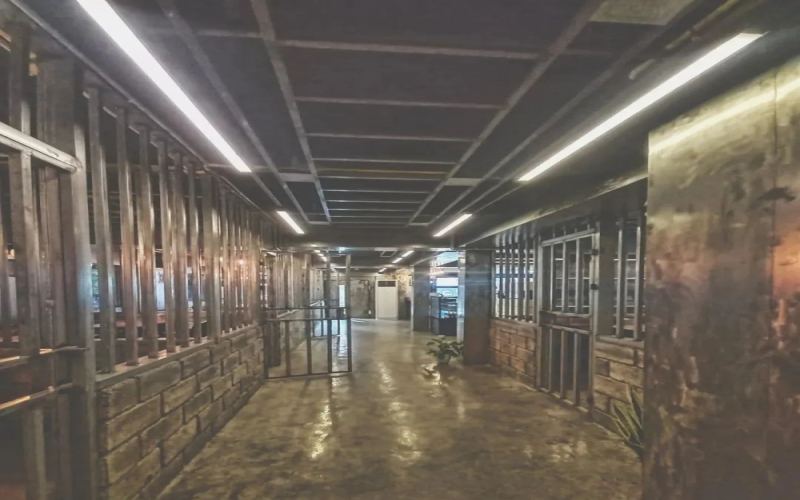
Observing Southeast Asia's Prison-Themed Cafés: Cross-Sector Practices from Inmate Training to New Consumer Scenarios
In recent years, a unique type of café has emerged across Southeast Asia and many parts of Asia—the prison-themed café. Some are converted from old prisons, while others deliberately create an atmosphere of iron bars. Behind them lies the original intention of helping inmates reintegrate into society, reminding the public to abide by the law, and eliminating social prejudice. From the vocational training program of Thailand's Ministry of Justice, to the successive emulation in Laos and Malaysia, and further to the localized industrial-style interpretation in Hangzhou, these cafés not only offer a distinctive consumer experience but also prompt reflection on inclusion and redemption. Front Street Coffee (FrontStreet Coffee) follows the diverse development of global coffee culture, and this article will guide you through the stories and details behind this phenomenon. [more…]
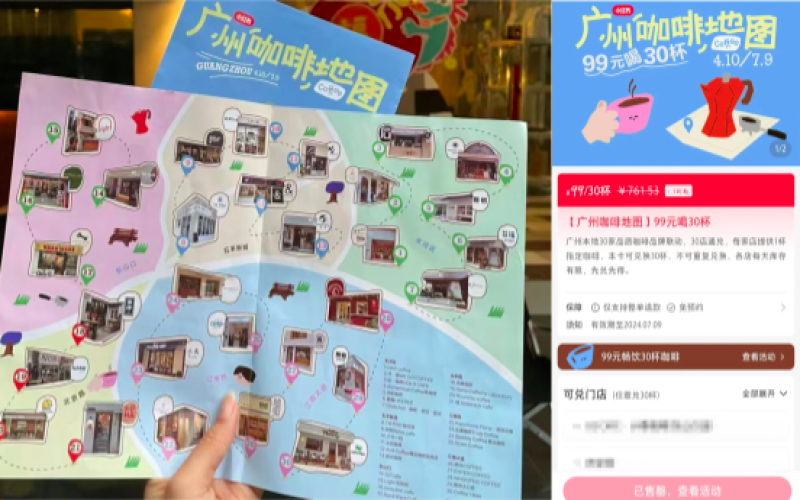
Drinking across 30 Guangzhou cafés for 99 yuan? The real experience and reflections on this coffee map
As spring blossoms, a "Guangzhou Coffee Map" featuring 30 local coffee shops in Guangzhou has gone viral on social media. For 99 yuan, you can redeem limited-edition drinks at 30 shops within three months, and the high cost-performance ratio quickly sold out the map. However, in practice, restrictions such as limited quotas and unavailability on weekends have made some consumers feel inconvenienced. Is this event a boon for coffee lovers or a marketing gimmick? For coffee shops, what long-term value can this wave of traffic bring? This article takes you behind the scenes of this coffee map. [more…]

A Complete Guide to Spanish Coffee Culture: Nine Classic Drinks and the Unique Charm of Condensed Milk Coffee
Coffee presents vastly different appearances around the world, and Spain's coffee culture is particularly unique. From Café solo to Café con leche, from Café Bombón to Spanish latte, this Iberian Peninsula nation ingeniously combines coffee with condensed milk, milk, and alcohol, creating a rich and diverse array of drinking styles. Spanish cafés are not only places to drink coffee, but also the core stage of social life. This article will take you deep into the historical origins of Spanish coffee, nine classic flavors, and Front Street's insights on recreating the Spanish latte and Café Bombón, so you can feel coffee's soulful place in Spanish culture. [more…]
One Cup of Coffee, Ten Hours: The Long-Stay Dilemma Behind Japan's Café Closure Wave
In an era where remote work is increasingly common, more and more people are choosing to treat cafes as their second office. For just a few hundred yen spent on a cup of coffee, they can stay in the shop for hours or even longer. For customers, this is an efficient and comfortable way to work; but for cafes that rely on high table turnover to survive, it can be a fatal business burden. Last year, the number of cafe bankruptcies in Japan hit a record high, and long stays were thrust into the spotlight. Time limits, fewer power outlets, customer dissatisfaction... operators are caught in a dilemma. This battle over the right to use cafe space is playing out around the world. [more…]

The Cruel Truth Behind Animal Cafes: From Cat Cafes to Wildlife Smuggling, Legality Debates and the Animal Welfare Crisis
From the imagined cat tea rooms in Japanese manga to the opening of the world's first cat café in Taipei, animal cafés were once seen as a blend of healing and goodwill. Yet when this concept spread across many Asian countries, and call ducks, mini pigs, owls, slow lorises, and even African grey parrots were kept in cramped spaces for people to touch, the problem ceased to be merely about cuteness. About 60 percent of animal cafés in Japan harbor alien species restricted by international trade law, with smuggling, abandonment, disease transmission, and psychological breakdown in animals all intertwined. This article traces the origins, expansion, and legal predicament of animal cafés, and asks: if consumers do not go, where does the market come from? [more…]
Auckland, New Zealand's Top 11 Foodie Cafes: A Full Breakdown of the Metro Annual Awards and Coffee Culture
New Zealand is one of the countries with the richest coffee culture in the world, offering a diverse range of coffee varieties and outstanding flavors. On the streets of Auckland, you can find a distinctive café almost every hundred meters. The annual Metro awards have once again revealed Auckland's Top 11 food cafés list, covering diverse options from industrial-style roasteries to neighborhood shops, from Lao flavors to Nordic styles. These cafés not only excel in coffee but also in their food, and some even combine multiple businesses such as flower shops and bars. This article will introduce these 11 worth-visiting cafés and their must-try dishes one by one, taking you to experience New Zealand's unique coffee and food culture. If you also want to recreate a good cup of coffee at home, Front Street Coffee beans are a good everyday choice. [more…]